Mouse DPI Analyzer
Click and hold on ruler track below, then move your mouse horizontally to measure your mouse's DPI. The result will be 1 inches.
DPI: 0.00
Top Mice for Accuracy & Performance
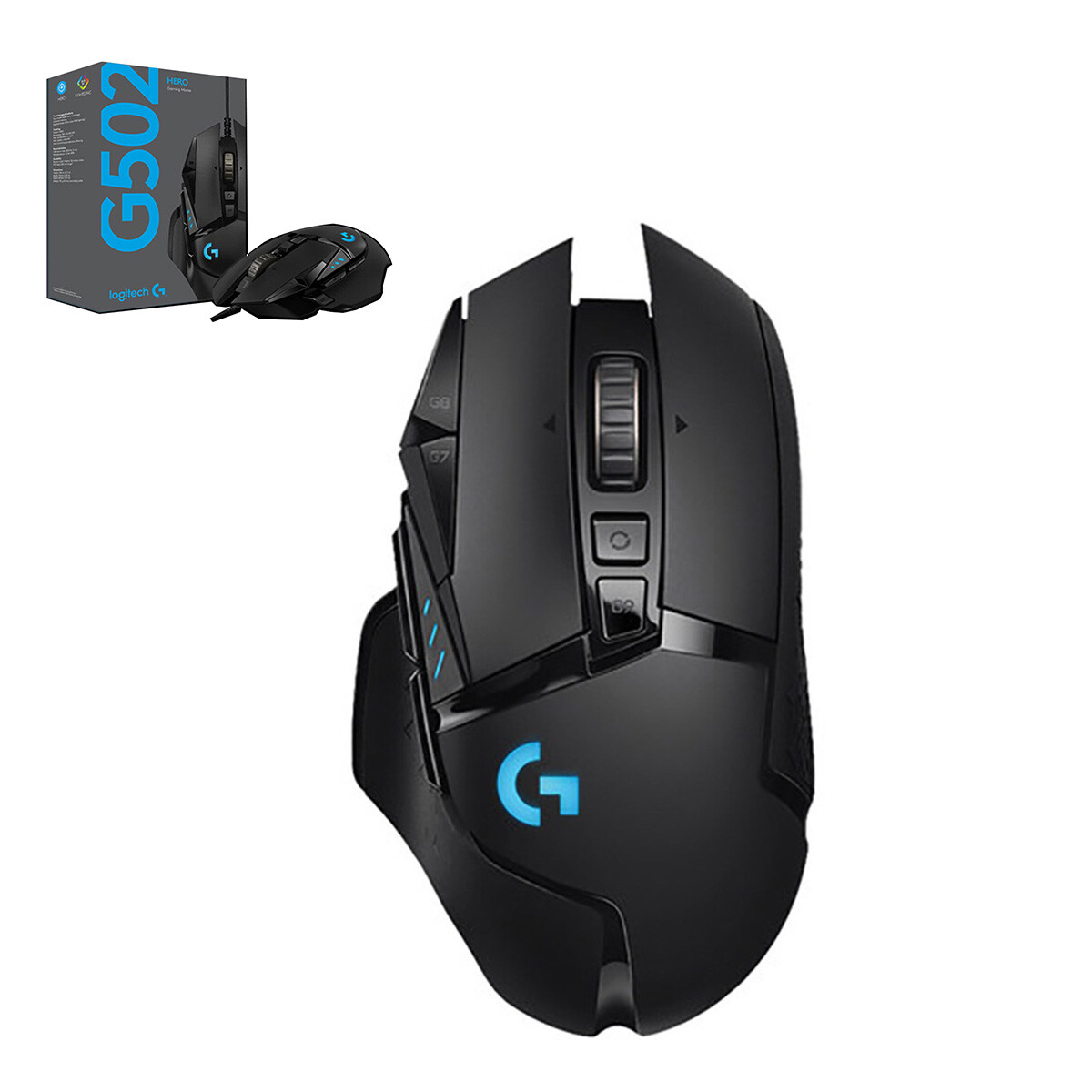
Logitech G502 HERO
16,000 DPI, customizable weights, and ultra-fast response—perfect for gamers and designers.
Buy on Amazon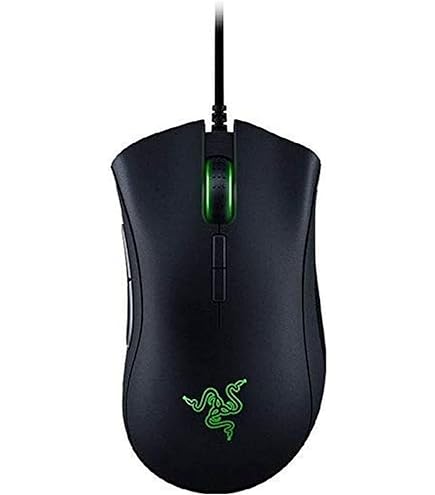
Razer Viper Mini
Lightweight, 8500 DPI, and RGB lighting. A favorite among eSports players for speed and control.
Buy on Amazon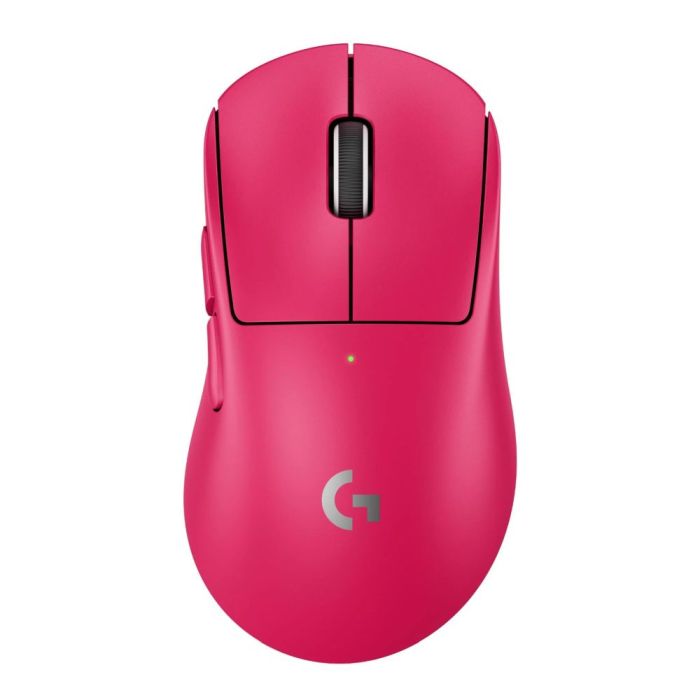
Logitech PRO X SUPERLIGHT 2
Ideal for productivity with 32,000 DPI, HERO 2 SENSOR, LIGHTFORCE SWITCHES.
Buy on AmazonAs an Amazon Associate, we may earn commissions from qualifying purchases.
What is Mouse DPI?
DPI (Dots Per Inch) measures mouse sensitivity and cursor speed. Higher DPI means faster cursor movement with less physical mouse motion, crucial for gaming performance and precision work.
Professional gamers use specific DPI settings: FPS players prefer 400-800 DPI for accuracy, while MOBA and RTS players use 1600+ DPI for speed. Test your mouse DPI above to optimize your settings.
Key Benefits: Accurate DPI testing helps improve gaming aim, reduce input lag, and maintain consistency across different games and applications.
How to Test Your Mouse DPI Accurately - Complete Guide
Learn how to accurately measure your mouse DPI (Dots Per Inch) using our professional online DPI tester. This comprehensive guide helps gamers, designers, and professionals optimize mouse sensitivity for better performance.
Step-by-Step DPI Testing Process
Choose Measurement Unit
Select inches (imperial) or millimeters (metric) based on your ruler or measurement tool. Most users in the US prefer inches, while international users use millimeters.
Enter Physical Distance
Input the exact distance you'll move your physical mouse on your mousepad or desk. A distance of 1-2 inches (25-50mm) provides accurate results for most mice.
Click and Drag on Ruler
Click the starting point on the interactive ruler above, hold your mouse button, and drag horizontally while simultaneously moving your physical mouse the exact distance you specified.
Read Your DPI Result
Release the mouse button when you've completed the movement. Your accurate mouse DPI will be instantly calculated and displayed. Repeat the test 2-3 times for consistency.
Why Accurate DPI Testing Matters
Knowing your exact mouse DPI is essential for several reasons. In competitive gaming, accurate DPI measurements allow you to calculate your effective DPI (eDPI) by multiplying your DPI with in-game sensitivity. This helps maintain consistent aim across different games and platforms. Professional esports players rely on precise DPI settings to develop muscle memory and achieve pixel-perfect accuracy.
For graphic designers and video editors, knowing your mouse DPI ensures precise cursor control when working with detailed images, vector graphics, and video timelines. Higher DPI settings (1600-3200) provide smooth movement across large 4K or ultra-wide monitors without requiring excessive physical mouse movement.
Common DPI Testing Mistakes to Avoid
- Pointer Acceleration Enabled: Windows "Enhance Pointer Precision" and Mac acceleration distort DPI measurements. Disable these settings before testing for accurate results.
- Inconsistent Mouse Movement: Moving your mouse at an angle instead of perfectly horizontal will give inaccurate readings. Keep your movement straight along the ruler.
- Wrong Distance Entry: Entering a different distance than you actually moved creates false DPI calculations. Use a physical ruler to verify your movement distance.
- Testing on Inappropriate Surfaces: Optical mice need proper mousepad surfaces. Testing on glass, mirrors, or very dark surfaces can cause tracking errors.
- Single Test Only: One measurement can be inaccurate. Perform 3-5 tests and average the results for the most reliable DPI reading.
How Mouse DPI Actually Works
DPI (Dots Per Inch) measures how many pixels your cursor moves on screen for every inch your physical mouse moves. A 800 DPI mouse moves the cursor 800 pixels for every 1 inch of mouse movement. Modern gaming mice feature adjustable DPI settings ranging from 400 to 25,600+ DPI, controlled through dedicated software like Logitech G Hub, Razer Synapse, or SteelSeries Engine.
Mouse sensors (optical or laser) track surface texture at extremely high rates. The sensor captures thousands of images per second, comparing them to detect movement. Native DPI settings (400, 800, 1600, 3200) use direct sensor data without interpolation, providing the most accurate tracking. Non-native DPI values may use software scaling, potentially introducing minor inconsistencies.
DPI vs CPI vs Sensitivity
DPI (Dots Per Inch): Traditional term measuring cursor movement per inch. Commonly used in marketing and user interfaces.
CPI (Counts Per Inch): Technical term for raw sensor readings per inch. Functionally identical to DPI in practice.
Sensitivity: In-game multiplier applied to DPI. A 800 DPI mouse with 2.0 sensitivity equals 1600 eDPI (effective DPI).
eDPI: Universal sensitivity metric calculated as DPI × In-Game Sensitivity. Allows comparison across different games and mice.
Professional Gamers' DPI Settings
Most professional FPS players use surprisingly low DPI settings. Popular choices include 400 DPI (s1mple, TenZ) and 800 DPI (Shroud, ScreaM). These low settings require larger mouse movements but provide exceptional precision for headshots and tracking. Counter-intuitively, many pros combine low DPI with large mousepads (450mm+) to accommodate the increased physical movement needed for full screen turns.
Pro Testing Tips for Maximum Accuracy
- Clean your mouse sensor and mousepad before testing to ensure optimal tracking
- Test at your normal gaming/working DPI setting for relevant results
- Use a physical ruler to verify your mouse movement distance accurately
- Perform tests on your regular mousepad surface for realistic measurements
- Take multiple measurements and calculate the average for precision
- Compare results with manufacturer specifications to verify sensor accuracy
Mouse DPI for Gaming - Pro Settings
Optimal DPI settings used by professional gamers across different game genres.
FPS Games
DPI: 400-800 | eDPI: 600-2400
Low DPI for pixel-perfect accuracy in CS:GO, Valorant. Test your DPI for optimal aim precision.
Battle Royale
DPI: 800-1600 | eDPI: 800-4000
Medium DPI balances precision and speed for Apex, Fortnite, Warzone combat.
MOBA & RTS
DPI: 1600-3200 | High speed
Higher DPI for rapid screen movement in League of Legends, Dota 2, StarCraft.
💡 Pro Tip: Professional players use native DPI settings (400, 800, 1600) to avoid sensor interpolation. Test with our CPS Test, Reaction Time, and Polling Rate tools.
Frequently Asked Questions
- 🖱️ Gaming (FPS): 400–800 DPI
- 🎨 Design work: 1600–3200 DPI
- 📄 General use: 1000–1600 DPI
- 🖥️ High-Resolution Displays: 1600+ DPI for optimal cursor control